$18.7 million for an F50: what’s behind the SP3 and F50 price surge
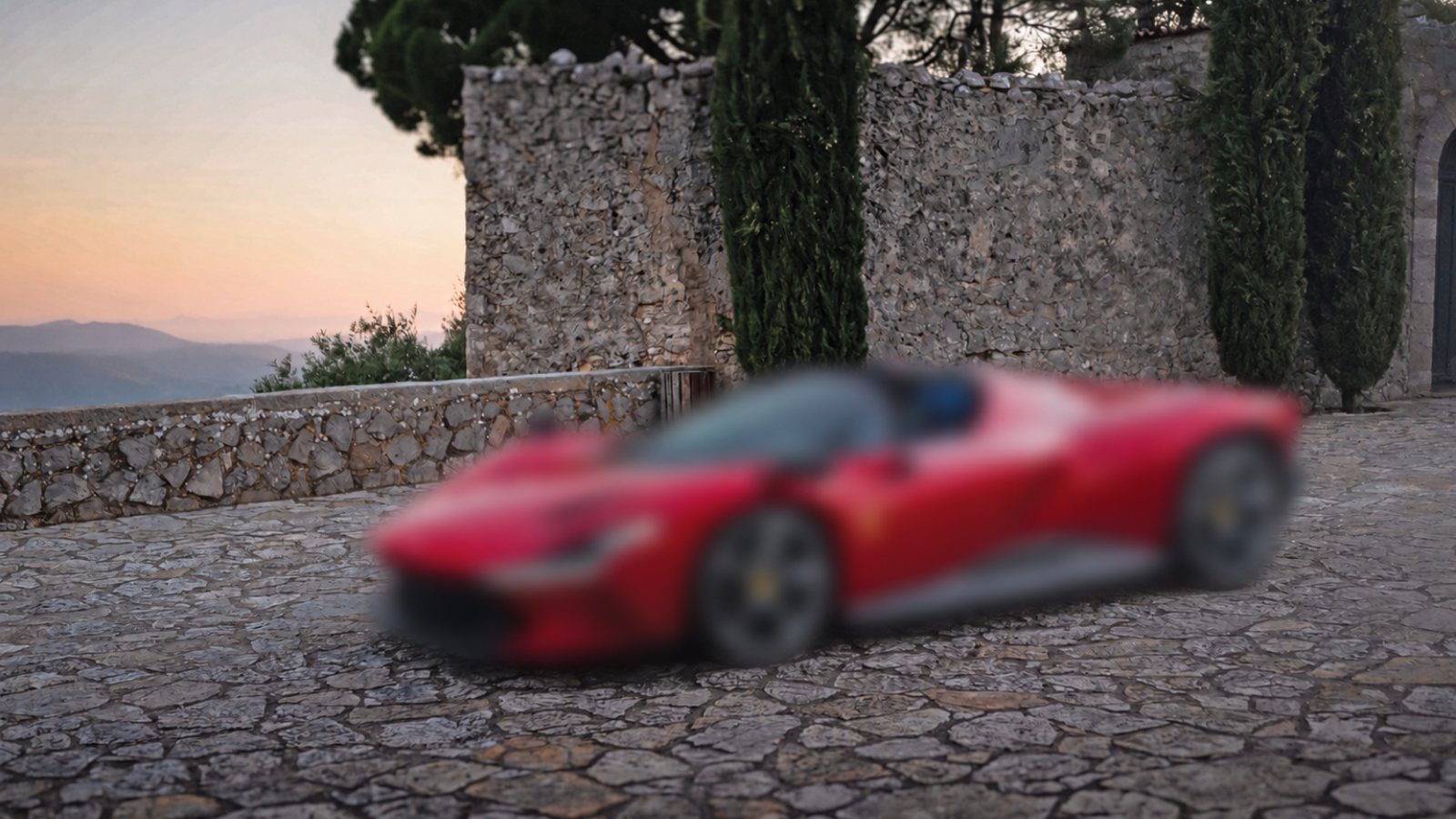
On the last night of October, at the Wynn in Las Vegas, a 1997 Ferrari F50 with 106 miles on the clock changed hands for $18,705,000.
That is the most anyone has ever paid for an F50 at auction. According to the report on Motor1, it beat the previous public record by around $4.1 million. And it was not even the headline of its own evening.
A night of records
Broad Arrow's Las Vegas sale closed at $92.8 million, the largest total a collector-car auction has reached in the city. Ten cars set new model records. Three of them were Ferraris, and between them they accounted for roughly $46 million.
Alongside the F50, a 2025 Ferrari Daytona SP3 with just 81 miles, sold by its first owner, made $18,540,000, a record for a non-charity example. A 2014 LaFerrari reached $8,805,000, also a model record. A 2003 Enzo made $6,550,000, respectable but not remarkable on a night like this.
Barney Ruprecht, Broad Arrow’s vice president of auctions, said he was “thrilled with the results” of the second annual Las Vegas sale. He had every reason to.
Not long ago, these numbers belonged to 1960s Ferrari racing cars. Now they belong to cars that were on sale within living memory.
The SP3 problem
The Daytona SP3 is the clearest case, because the paper trail is so short. Ferrari built 600 of them, a 599-car run plus one made for charity, at an original price in the region of $2.3 million before options, according to Sports Car Market.
The charity car sold at RM Sotheby’s Monterey in August 2025 for $26 million, but that was a donation to the Ferrari Foundation, not a fair measure of what a normal SP3 is worth.
The ordinary ones tell the real story:
- October 2025, Zurich: $6.67 million at RM Sotheby’s, with about 1,800 miles on the car
- May 2026, Cernobbio: $7.27 million at Broad Arrow, with around 460 miles
- August 2026, Monterey: $17.825 million at RM Sotheby’s for a 227-mile car in a yellow Atelier specification, against a pre-sale estimate of $10 million to $12 million, as reported by GPone
- 31 October 2026, Las Vegas: $18.54 million for the 81-mile first-owner car
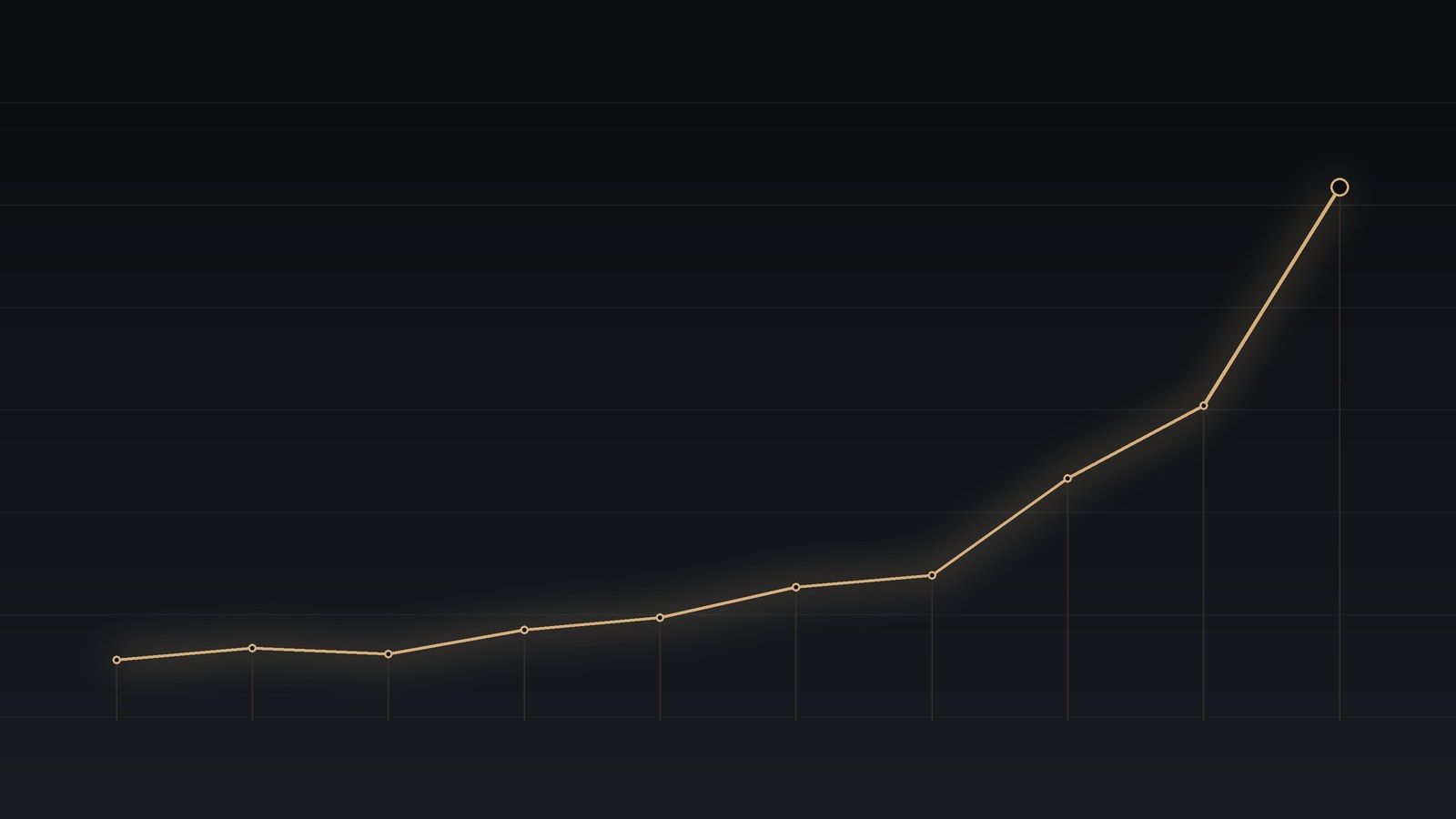
Read quickly, that is a car worth under $7 million a year ago and over $18 million today. Read carefully, it is rather more nuanced. These are different cars, with different mileage and specifications, sold in different rooms. But the direction of travel is not subtle, and the August result landed well above its estimate.
And then there is the F50
The F50 story is a different shape. It is not a new car being re-priced; it is a cult classic finding out how much people want it.
Built from 1995 to 1997 in a run of 349, the F50 has a 4.7-litre V12 derived from Ferrari’s Formula 1 engine, a manual gearbox and no power steering to speak of. It was, for years, the awkward middle child between the F40 and the Enzo. Not anymore.
Motor1 notes that the car was reportedly targeting a $20 million estimate beforehand and landed just below it, which tells you something about how heated the expectations had become.
So what is driving it?
Nobody involved will give you one tidy answer. Our reading, drawing on the market commentary, is a handful of forces working at once.
Real scarcity, carefully managed. Sports Car Market notes that Ferrari dealers usually sell SP3s privately to favoured clients, and that Ferrari discourages advertising Icona cars. That keeps the supply of public sales thin and the price discovery erratic. When one does appear at auction, bidders are competing for a rarity, not a product.
The end of an era. The SP3 has a naturally aspirated 6.5-litre V12 producing 829 horsepower. The F50 has its high-revving V12 and a manual box. Collectors widely see both as belonging to a kind of car that is disappearing. We should say plainly that this is the commentary of the market, not something the auction houses have stated.
Wealth that has nowhere else to go. A small number of very wealthy buyers now treat the very best cars as a place to put capital. Sports Car Market described the US market driving SP3 demand as “more speculative than logical”, a phrase that stuck with us.
Condition as the entire value. Low mileage, original specification, first-owner provenance. The Las Vegas SP3 had been driven 81 miles. At this level, a car that has not been used is worth a great deal more than one that has.
Momentum. Each record gives the next bidder permission. A buyer who would never have paid $12 million feels differently about $18 million once someone else already has.
The other side of the ledger
It would be dishonest to write this as a one-way story. A few cautions are worth keeping in mind:
- Auction records describe the best cars, not the average car
- A single sale can set a price that the next ten cannot repeat
- Buyer’s premiums are included in these figures, so the hammer price is lower
- Markets built on enthusiasm can turn quickly when sentiment shifts
- Several of the figures above come from a single report, so treat them as snapshots, not settled history
Nothing here is investment advice. The honest summary is that prices have moved sharply, that the reasons are plausible, and that nobody can say how long it lasts.
What it means for anyone looking
If you are hoping to buy or sell a car at this level, the lesson is not that the market is a one-way ride. It is that the best cars rarely reach a public sale at all. Many of the most valuable ones change hands privately, between people who have never advertised anything.
That is where Tailyr works. We list cars from our partners, and if you want something that is not on the network yet, we can source it for you. For discreet cars, we deal only with owners, principals and holders of an authorised mandate, and introductions are made only with your permission. If you are looking for something specific, you can speak to Tailyr, or read about Discreet Assets. We have also explained how mandates, NCNDAs and proof of life work.
Sources: Motor1, F50 record · Broad Arrow Las Vegas results · Sports Car Market, 2023 Daytona SP3 · GPone, Monterey SP3 sale